
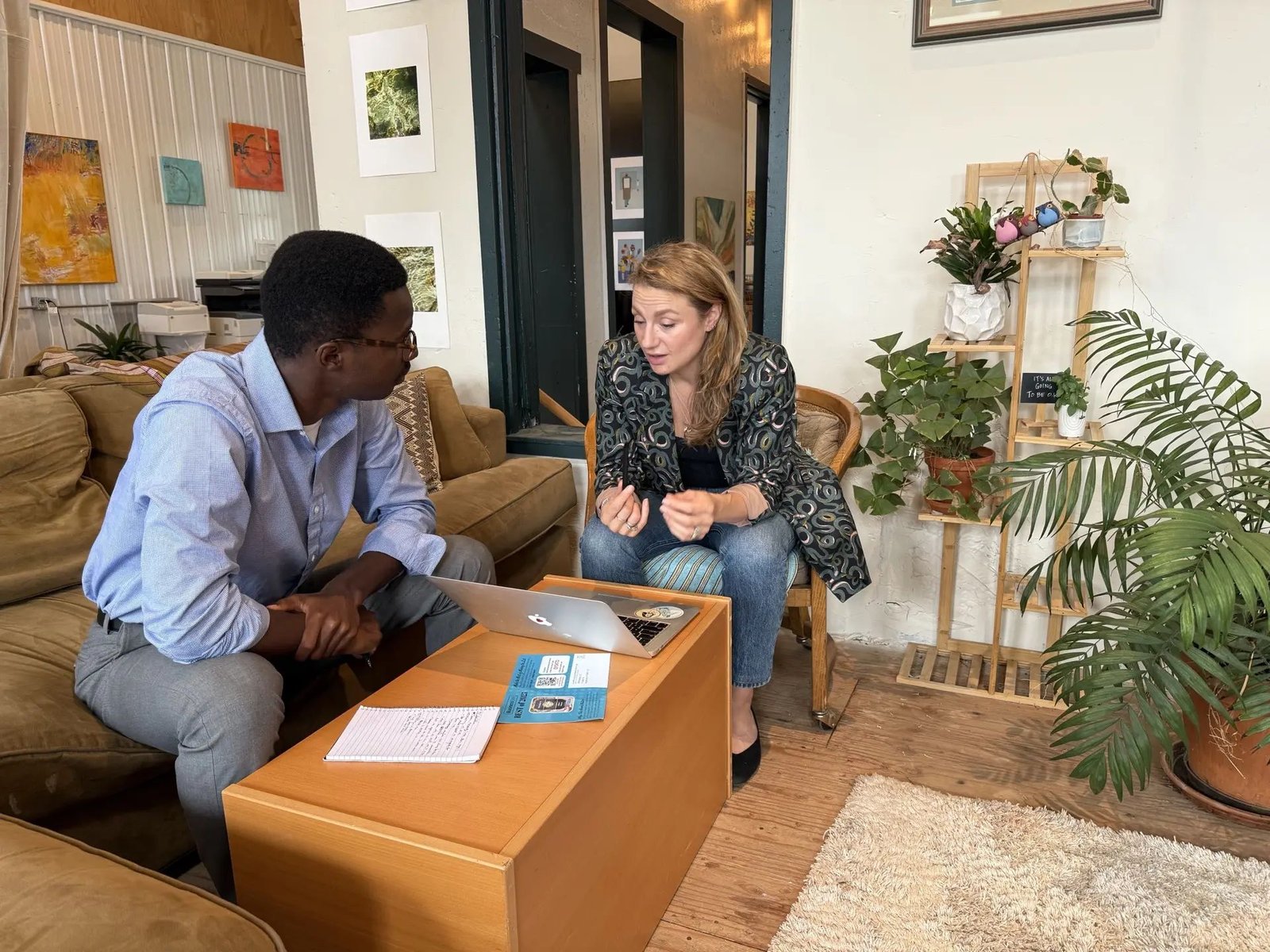
A sentencing mitigation video is a short documentary film that shows a judge who your client is beyond the offense. It covers their mental health, their childhood and the people who shaped them. VTPrivateye produces them for defense attorneys in Vermont, New York and New Hampshire, backed by a mitigation investigation. Susan Randall has produced over fifty sentencing and settlement videos.
What is a sentencing mitigation video?
A sentencing mitigation video is a film that shows a client as more than their worst mistake. It presents the person’s mental health, childhood experiences and the people who shaped their life. A judge or prosecutor then understands why something happened, not only what happened. VTPrivateye makes these films for legal and corporate clients, mostly defense attorneys, in Vermont, New York and New Hampshire and in cases around the country.
The mitigation investigation behind the film
A mitigation specialist builds the factual case for a fair sentence by investigating a client’s life. The specialist collects records, finds and interviews the family members, teachers, clinicians and others who know the client, and organizes what they learn into a social history. A written report or a film comes out of that work.
Our investigators write mitigation reports, and Jen B., a former investigative reporter, puts decades of writing experience into richly detailed, thorough ones. Susan Randall, a former journalist and documentary filmmaker, brings that background to the films.
When do defense attorneys use a video?
Defense attorneys use a video when the human story is central and hard to convey on paper. Examples are a history of trauma, mental illness, a difficult childhood, or years of struggle that records alone flatten. The film is one part of a mitigation presentation. Jim Castle, Esq. wrote that he can’t imagine doing a mitigation presentation any other way now.
A video is not always the right tool. Whether to commission one, what to include and when to present it are strategy calls for the attorney. We help you weigh them. Related work includes criminal and civil investigation for the facts of the case itself.
How do we do it?
Every film is built on investigation first.
- Talk with counsel. We learn the charges, the posture of the case and what the court needs to hear.
- Gather the life history. We collect records and identify the people who know the client best.
- Interview. We sit down with family, friends and others who know the client.
- Film and edit. We turn the material into a clear, honest story told in order.
- Deliver to counsel. You decide whether and how the film is used.
What do you receive?
You receive a finished mitigation film and, where the case calls for it, the supporting social history or mitigation report.
Where do we work?
We are licensed private investigators in Vermont, New York and New Hampshire, and we also work with defense counsel in other states. Jim Castle, Esq., whose testimonial is on this page, is capital defense counsel in Denver, Colorado. Susan Randall also teaches nationally on mitigation and fact investigation.
Who leads the work?
Susan Randall founded VTPrivateye and has produced over fifty sentencing and settlement videos. She has investigated hundreds of civil and criminal cases, including federal and capital defense, and worked as an investigator for the Vermont Federal Public Defender’s office. The firm has produced 68+ sentencing and settlement videos in all. See what attorneys say on our testimonials page, or contact us to talk through your case.
Sentencing & Mitigation Videos: common questions
What does a mitigation specialist do?
A mitigation specialist investigates the life behind a criminal case and turns it into information a court can use at sentencing. That means gathering records, interviewing family and others who know the client, and building a clear account of background, health and circumstances. The work supports the defense attorney's argument for a fair sentence. At VTPrivateye, mitigation reports and mitigation videos come from the same team. We do not promise a result.
What is a social history?
A social history is a written account of a person's life: family, upbringing, schooling, health, trauma, work and relationships, drawn from records and interviews. In mitigation it gives the court context for who the defendant is and how they came to be in court. It is the research behind a mitigation report and behind a mitigation video, and it is only as good as the records and witnesses behind it.
What goes into a sentencing mitigation video?
We explore mental health, childhood experiences and the people who shaped the client's life, then film interviews with those people and tell the story in order. The film gives judges and prosecutors context about why something happened, not just what happened. What goes in is decided with defense counsel, who know the case, the court and the limits on what to present.
Who sees a sentencing video?
Judges and prosecutors are the intended audience: the films are made to give them context about the client. The defense attorney decides who sees a video. Where and how a video is shown depends on the court and the rules in your jurisdiction. The film is one part of the mitigation presentation, alongside counsel's argument and any written report.
Related services
- Criminal & Civil InvestigationA criminal defense investigator finds and documents the facts that bear on a case: witnesses, records, physical evidence and timelines.
- Day-in-the-Life Settlement VideosA Day-in-the-Life video is a short documentary film that shows how an injury changes one person's ordinary day.
- Jury Focus GroupsA jury focus group puts mock jurors in a room to hear your case and deliberate while your team watches on video.